

Sadoo Iskandarani

Interview

From Grandpa's falafel cart to Malmö's food icon - Sadoo Iskandarani's journey

To talk about Malmö’s food culture without mentioning falafel is almost impossible – and in the same breath, the name Iskandarani often comes up. For Sadoo Iskandarani, food is more than just work: it is a heritage, a passion, and a life journey that began in his grandfather’s falafel cart in Rosengård. His grandfather, already known for his falafel in their homeland, became a pioneer in Sweden and laid the foundation for what we today call the “Malmö falafel.” There, among the smell of freshly baked pita bread and freshly blended chickpeas, Sadoo learned early on that food can bring people together – no matter the language.

A life in the world of food
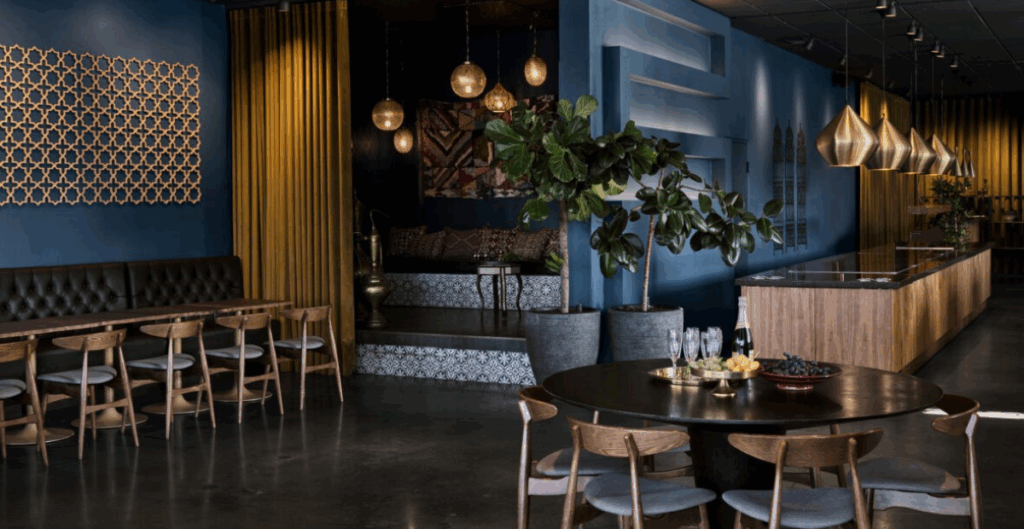
Today, Sadoo is both an entrepreneur and a family man, with his wife and daughters Leila and Livia by his side. He runs Tamini AB, which produces falafel, hummus, and other dishes for the grocery trade and restaurant market. In addition, he is behind Laziza, which consists of three restaurants in Malmö and Lund as well as a catering kitchen – and he is also involved in We Produce, a company working with food production focused on innovation, quality, and sustainability.

– I usually say that I was born into the industry. Simply put, I live my life in the world of food, and I love it, he says with a smile.

Sadoo Iskandarani Laziza

The heritage from his grandfather
Sadoo’s journey began early. As a child, he stood in the kitchen with his grandfather, baking pita bread. Grandfather Iskandarani was already known for his falafel in their homeland, so when he came to Sweden, it was natural for him to open a falafel place.

– He didn’t know a single word of Swedish, but he always used to say that food has no language.

It’s a truth that Sadoo seems to live by even today.

– I have worked for as long as I can remember. I come from a hard-working family that has always taken pride in putting food on the table – not only for their own family but also for customers and for the employees who make their living through the work.

People at the center
When Sadoo is asked what drives him, the answer is simple: people.

– I love my job, and I believe that joy is contagious. I measure success by the number of employees, not by money. For me, the most important thing is that more people have a place where they can grow, feel secure, and support their families – under fair working conditions and collective agreements.

That sense of community is also something he wants to share with colleagues in the industry. When others talk about profitability, Sadoo talks about community. When many measure success in turnover, he instead counts the number of employees. For him, food is not just an industry but a lifestyle and an opportunity to create security and pride for both coworkers and customers.

Sadoo Iskandarani Laziza catering

Proud on home ground
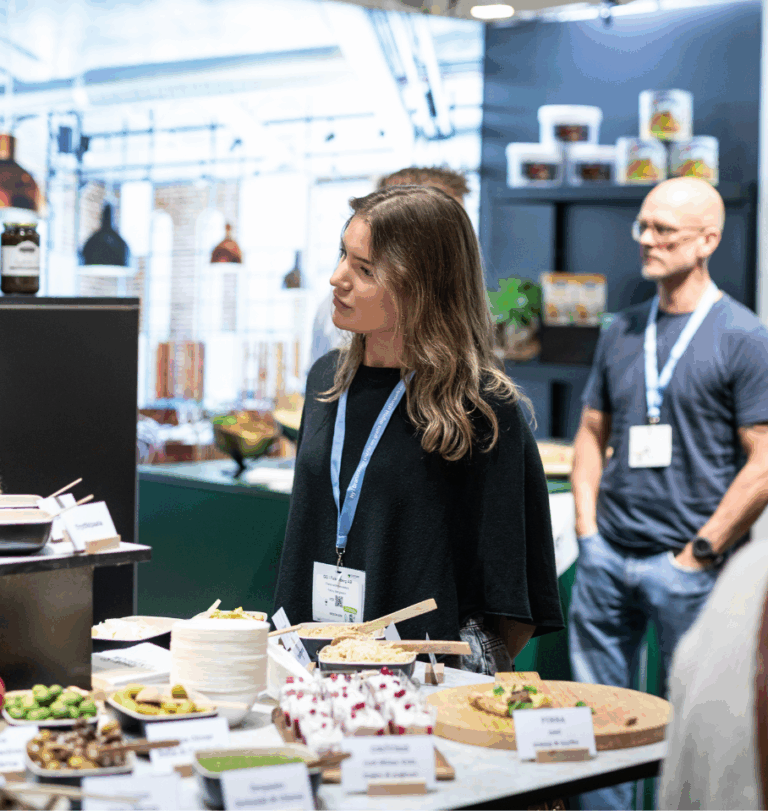
Sadoo has long been a recurring exhibitor at FFCR. He describes the event as one of the highlights and says that the best part of participating in the fair is both inspiring others and being inspired – by customers, colleagues, and the entire industry. This year, he will also take the stage!

– I feel very proud to stand there in my own city – on a stage where so many prominent names have stood before. I want to remind other restaurateurs and chefs how important we are – especially in an increasingly digital world. Our industry represents the human encounter, and that is priceless, says Sadoo.

Looking ahead
There are many future plans, but the dream is simple: to never lose the spark.

– In five years, I hope to still be just as passionate, just as curious, and just as committed to building on what we have started.

And with a journey that stretches from a simple falafel cart to a broad food enterprise with hundreds of employees, one thing is clear: Sadoo is not just an entrepreneur – he has carried on a family legacy that today is a natural part of Malmö’s food culture, and he has no plans of slowing down.

By: Jessica Karlberg

Sadoo Iskandarani Laziza interiör