
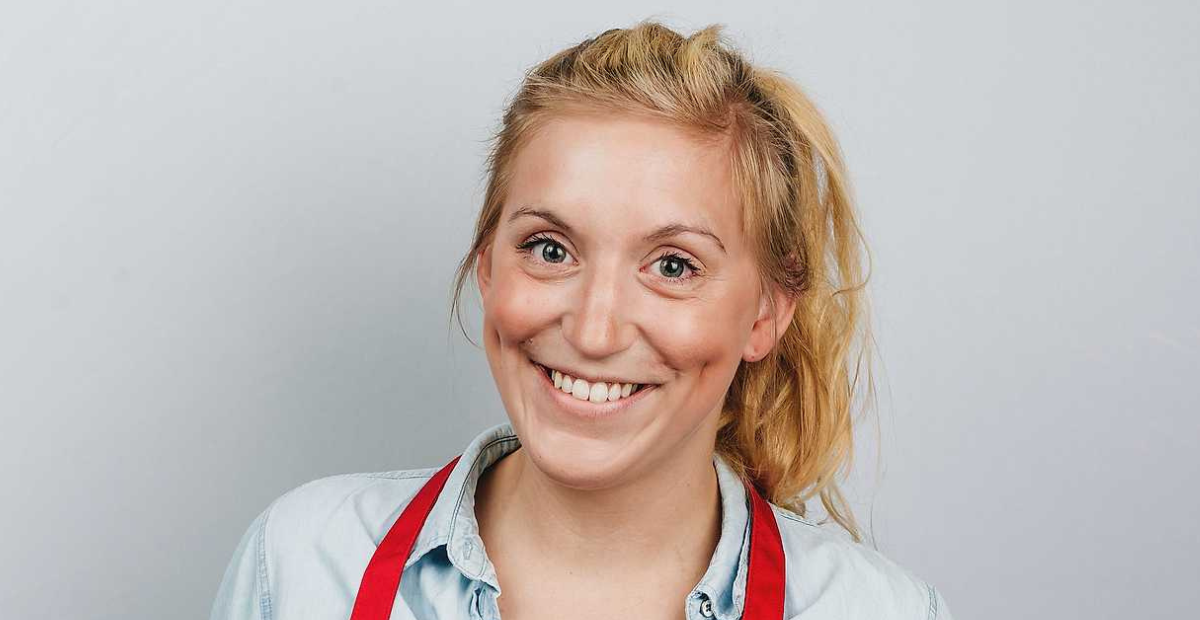
Tea_Malmegård

INTERVIEW

Tea Malmegård on DoMa, ingredients, and restaurant experience

After years in the world of desserts and fine dining, Tea Malmegård made the decision to resign from Operakällaren and create something of her own. Today, she runs DoMa, a restaurant built around Swedish ingredients, creative freedom, and hospitality designed to feel warm, safe, and familiar. Here, she talks about the journey there, the decisions behind the menus, and why the overall experience is always more important than the perfect dish.

From the world of desserts to running her own restaurants

Tea Malmegård has spent two decades building her restaurant career on an uncompromising love for food, creativity, and the people behind the menu. Today, she runs DoMa in Stockholm together with Viktor Lejon, where both the menu and the team reflect a clear vision of what modern restaurants should be: sustainable, thoughtful, and human.

After studying in London, Tea pursued a path in the fine dining world and began her career at Lux, Operakällaren, and Gotham Bar & Grill in New York. Her journey started in the pastry kitchen, where she refined her craft and deepened her sense of balance, structure, and creative freedom. After years of hard work and long service shifts, she and Viktor made a decisive move. They resigned from Operakällaren, and just two weeks later they opened the doors to their own home-style restaurant. The name became DoMa.

In 2014, she appeared on Dessertmästarna, which led to a book deal and a recurring role on TV4’s Köket.se. At the same time, a growing desire for something bigger began to take shape.

– After almost 10 years on the sweet side, I felt that I wanted more than just being responsible for ‘the sweet finale. I am, after all, a trained chef, and I wanted to create a whole world—a complete experience where food, emotion, service, and atmosphere come together.

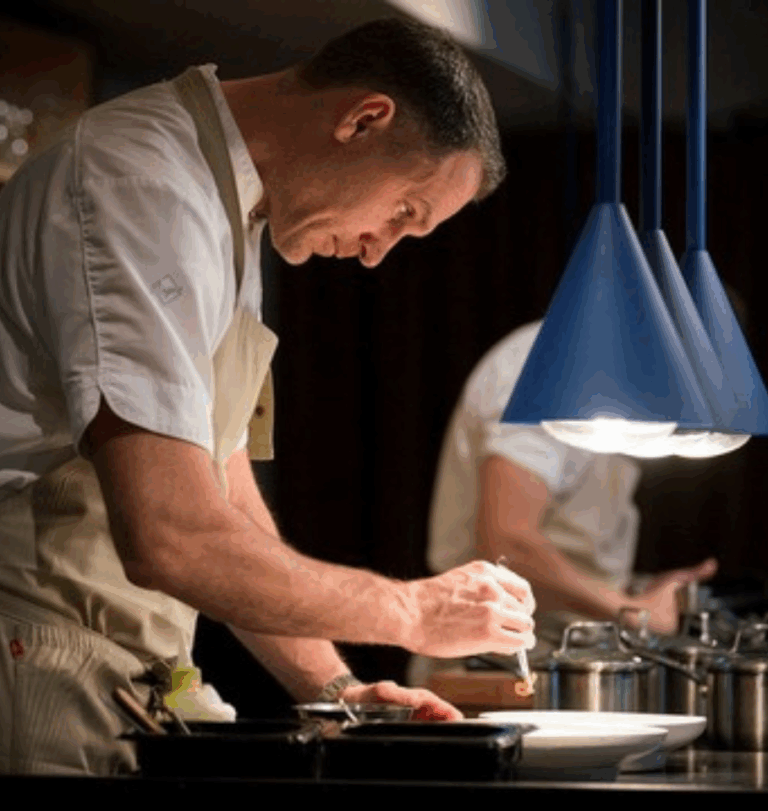
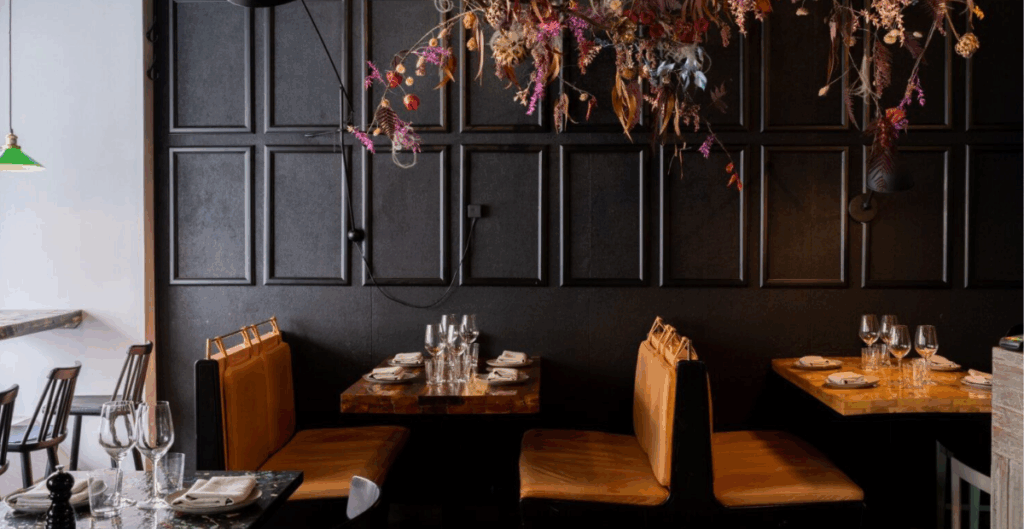
Tea_Malmegård_DoMa_food

DoMa’s food philosophy

What started as a supper club in her living room quickly grew. Soon, Tea and Viktor opened a restaurant in the same building, and today she runs two DoMa units alongside continuous menu development and new ideas that are constantly taking shape.

– DoMa was born out of a bit of desperation, but it evolved into something far more beautiful than I could ever have imagined,” Tea says with a laugh.

She continues:
– Some days I’m kneading dough or testing a new dessert, and the next I’m planning a larger menu, an event, or a completely new idea that’s starting to take form. I’m at my happiest when I get to create, cook, and build something that feels real.

The menu is designed to feel familiar even for first-time guests, while every dish offers unexpected notes and bold interpretations of Swedish ingredients. From hospitality to food, drinks, and the final farewell, the entire experience is meant to feel safe, playful, sometimes surprising—but never pretentious.

– We follow the seasons closely and work intensely with Swedish ingredients, but we interpret them in our own way. I love contrasts and allowing an ingredient to shine in a completely new context without being overshadowed by too much technique. I have a passion for unexpected flavor combinations paired with older methods.

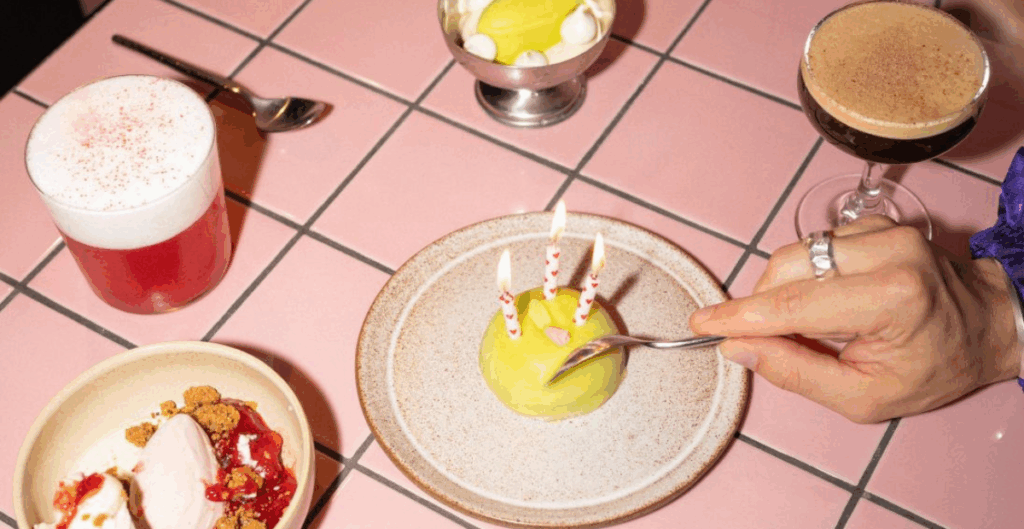
Tea_Malmegård_DoMa

Success is about the whole experience

For Tea, success is never an isolated figure at the bottom of a bill, but something that emerges in the meeting between the guest experience and the pride of the team. Seeing her staff grow, feel seen, and be part of something bigger is just as important as the dishes on the menu being executed perfectly.

– I’m a true dreamer! For me, success is when guests go home feeling something, and when the team feels proud. For me, the guest experience and the pride within the team will always determine whether we are on the right path, says Tea.

At DoMa, every menu development begins with the main ingredient. How long is it in season? What does the season look like? What can we extract from it, and how can we do that without compromising quality or price? Since September, DoMa has been working with set menus in one of its restaurants—a way to enable exceptional ingredients at reasonable prices, while keeping working hours and food waste in balance.

When asked what matters most in the business, Tea laughs.

– Apparently not the finances. But the goal is to run a restaurant that holds up—flavor-wise, creatively, and humanly. We’re not just building a menu; we’re building relationships with our guests, our team, and our producers. The whole picture is my main focus. But right now, it’s an almost impossible equation.

The pandemic as a lesson

The pandemic became a test for the entire industry. For Tea, it meant both losses and new insights. When operations were put under extreme pressure, DoMa was forced to quickly adapt—with takeaway solutions, new workflows, and a drastically reduced team.

– We adjusted immediately. We couldn’t furlough staff, so we had to let three employees go. We were left with a very small team. It was incredibly tough—but it also made us faster, braver, and more solution-oriented.”

These experiences have strengthened her conviction that sustainability in the restaurant industry must have three dimensions: economic, ecological, and human.

Tea in the live kitchen

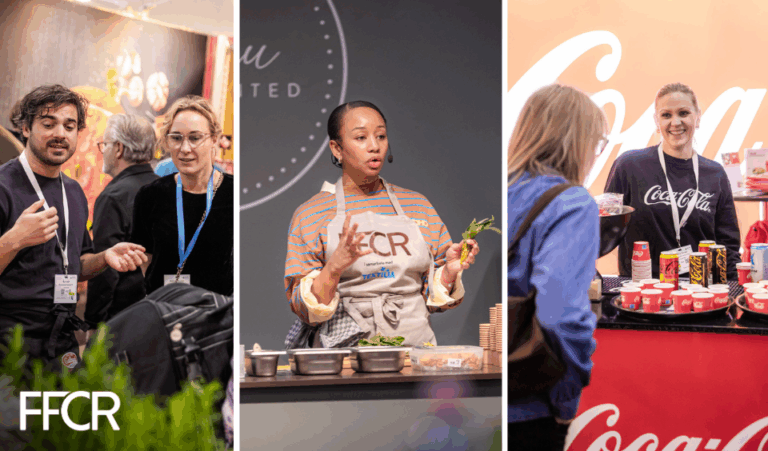
On January 29, Tea will take over the live kitchen at FFCR Stockholm. Ahead of her appearance, she is looking forward to meeting colleagues who share the same curiosity about the future of gastronomy.

– To meet people who are passionate about innovation, food, and craftsmanship. I’m looking forward to the conversations, the exchange of ideas, and the energy that arises when you bring together people who all want the same thing—to elevate the industry.

By: Jessica Karlberg
Theme: Menu Reinvented – focusing on what truly makes restaurants thrive