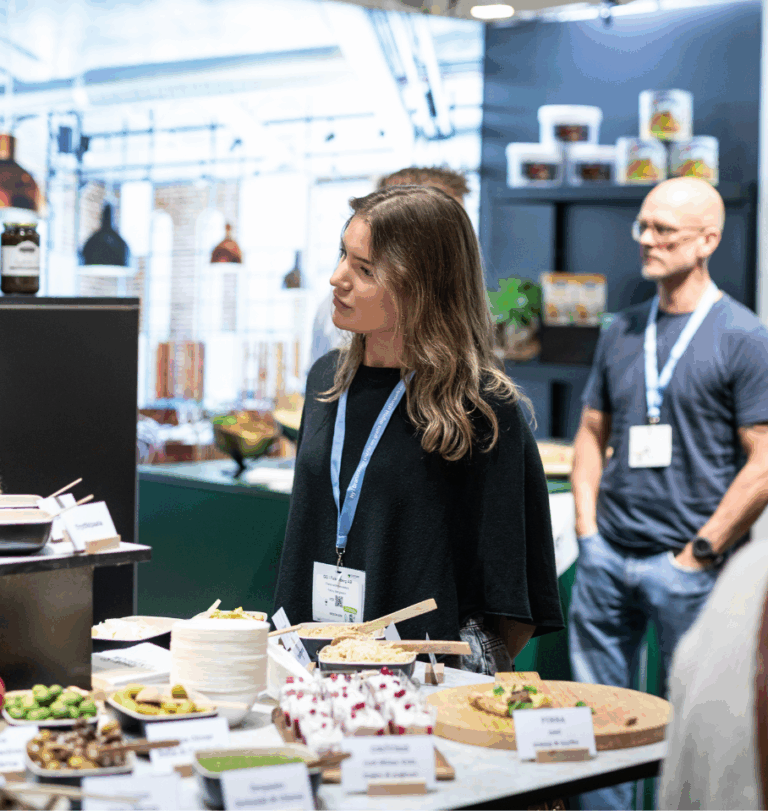
Marion_Ringborg

INTERVIEW

Creativity, Calculations, and Culture: Marion Ringborg on the New Reality of the Restaurant Industry

This year’s theme at FFCR Stockholm – Menu Reinvented – is about challenging the traditional image of the restaurant. What does it really take for a business to truly thrive in today’s competitive climate? For Marion Ringborg, chef, food personality, and founder of Studio Marion, it’s about people, balance, and creating a business that works for both guests and personal life. In January, she will take on the role of moderator in the live kitchen, hoping the topic will spark questions, ideas, and new perspectives.

Marion Ringborg is 35 years old and a mother of two young children – the youngest only six months old. Her days are a mix of work and parental leave, with daily routines balanced alongside the expansion of Studio Marion, the business she has run for three years. Right now, she spends almost all her waking hours building out the studio, planning a larger space, and establishing daily operations.

Studio Marion started as a small food studio offering recipe development, cooking classes, and dinners. But the business quickly grew with more requests for events and catering, naturally evolving into what Studio Marion is today.

“My vision was to create something that worked in my everyday life,” says Marion. “I went from having no children and all the freedom to devote every moment to my dream – running a restaurant, cooking, and being creative – to wanting to continue being creative while also being a present parent. I wanted to create a workplace where I could do both.”

Today, she runs the studio with her colleague Malin, with both wearing multiple hats. Finance, meal prep, event production, and client meetings – everything is included.

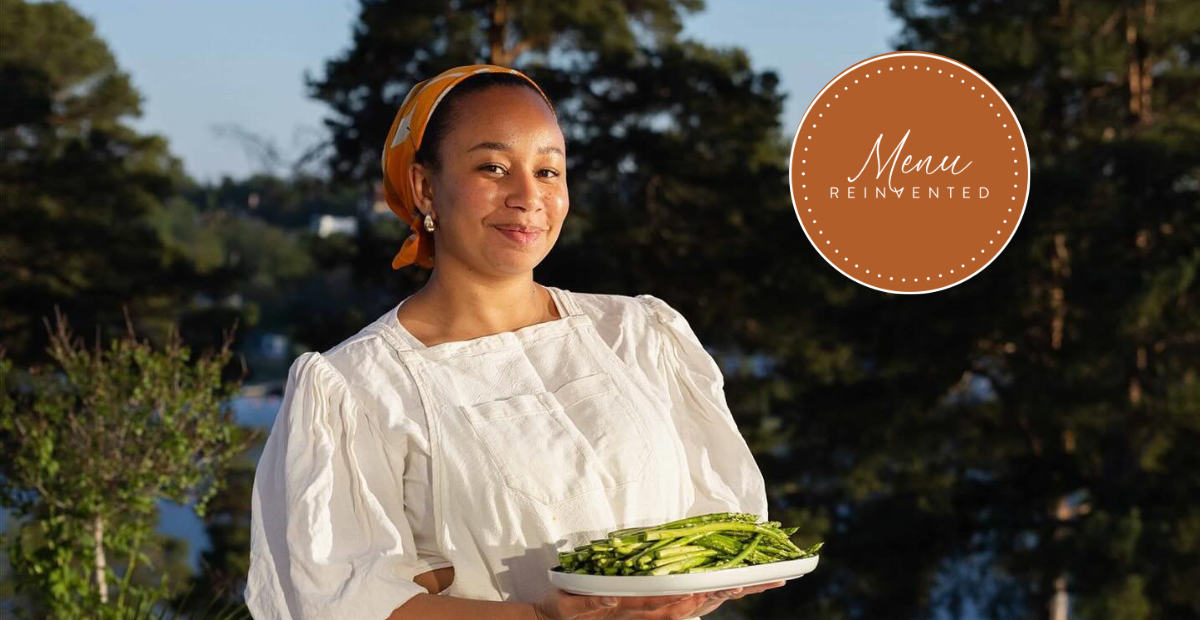
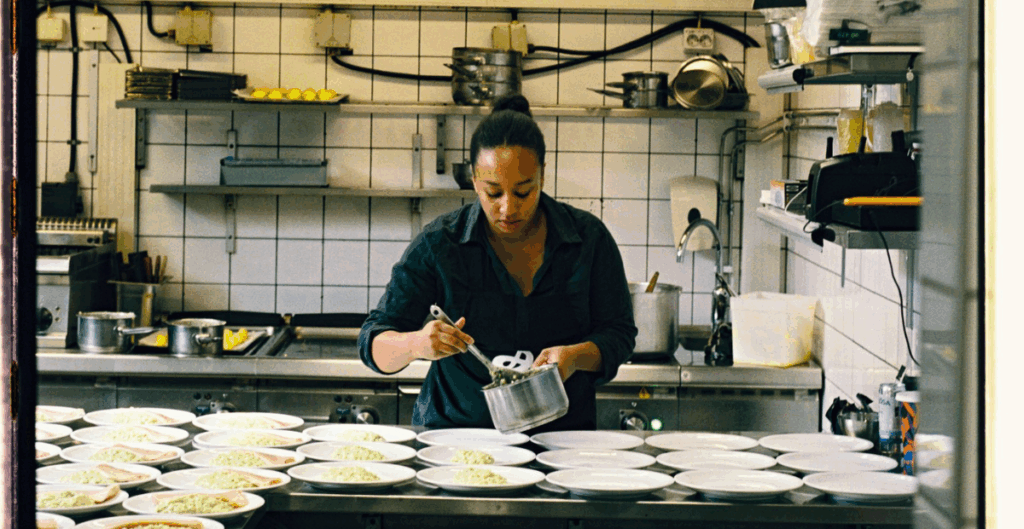
Marion_Ringborg_kök

A Menu That Really Works

Marion sees the restaurant experience as a whole, where the menu is an important part, but not the only thing that matters. She emphasizes the value of having a clear identity and actually delivering on it. It’s no longer enough to just make good food.

“Guests want to understand who you are and why you do what you do. That feeling has to permeate everything,” Marion explains.

She believes the pandemic has fundamentally changed the industry. In the past, a good reputation could be built organically – today, restaurateurs compete with a constant stream of content on social media.

“I see much more of a ‘fighting spirit.’ People want to survive and become very creative. Restaurant owners have had to learn marketing – creating things that both ‘wow’ and engage.”

Creativity Meets Calculation

Being a chef and an entrepreneur involves a constant balance between creativity and economics. For Marion, this is not a contradiction but rather two sides of the same coin, and she believes it’s important to see finances as a tool that enables creativity, rather than a barrier. She explains how each month requires planning and strategic decisions, but that this insight allows her to focus on what she loves – cooking.

“The romantic idea that you can cook whatever you want… that doesn’t work financially. Finances are rather a tool that makes creativity possible.”

Sustainability and profitability are two factors that often clash in theory but must be reconciled in practice. Marion notes that you quickly learn that not everything you dream of can be realized, and then it’s a matter of finding new ways:

“You quickly realize that you can’t do everything you dream of. You have to compromise and find creative solutions. Considering how expensive food is today, you have to learn to improvise and rethink.”

For Marion, the work environment is just as important as finances. After many years in an industry often governed by hierarchy, she wants to create a culture that differs from the traditional kitchen.

“I want everyone working with me to feel that their ideas matter. That they dare to speak up. The chef profession is creative, but there has to be room for that creativity,” Marion explains.

She emphasizes that a sustainable culture is about people as much as ingredients. When the team is thriving, the business thrives, and that’s really where success begins.

The menu of the future

For Marion, the future of food is about having the courage to simplify. She sees a trend where menus become shorter, clearer, and more refined—not to limit creativity, but to deepen it. Fewer dishes, but better ones. A menu that gives both the team and the guests greater confidence, while also making the business more sustainable.

She believes in a long-term approach based on three seasons, where dishes evolve according to the quality and availability of ingredients. Future restaurants don’t need to offer everything, but rather what is well-crafted, thoughtfully considered, and perfected in every detail.

On January 28–29, Marion Ringborg will take over the live kitchen at FFCR Stockholm as this year’s moderator, joined by guests including Nils Molinder, Emelie Svensson, Lennart Wallander, and Tea Malmegård. See you there!

By: Jessica Karlberg
Theme: Menu Reinvented – focusing on what truly makes restaurants thrive

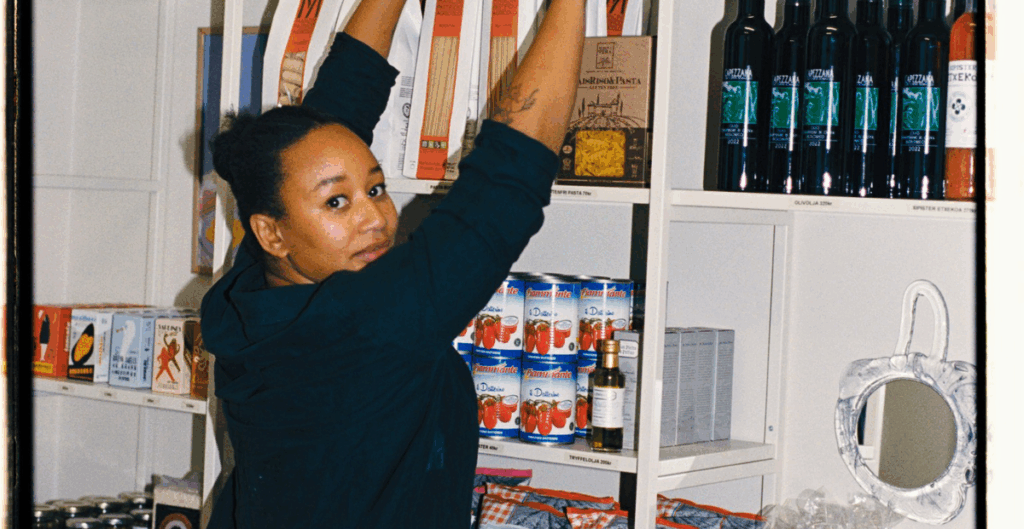
Marion_Ringborg_Studio_Marion